Turn a Family Story Into a Movie With AI

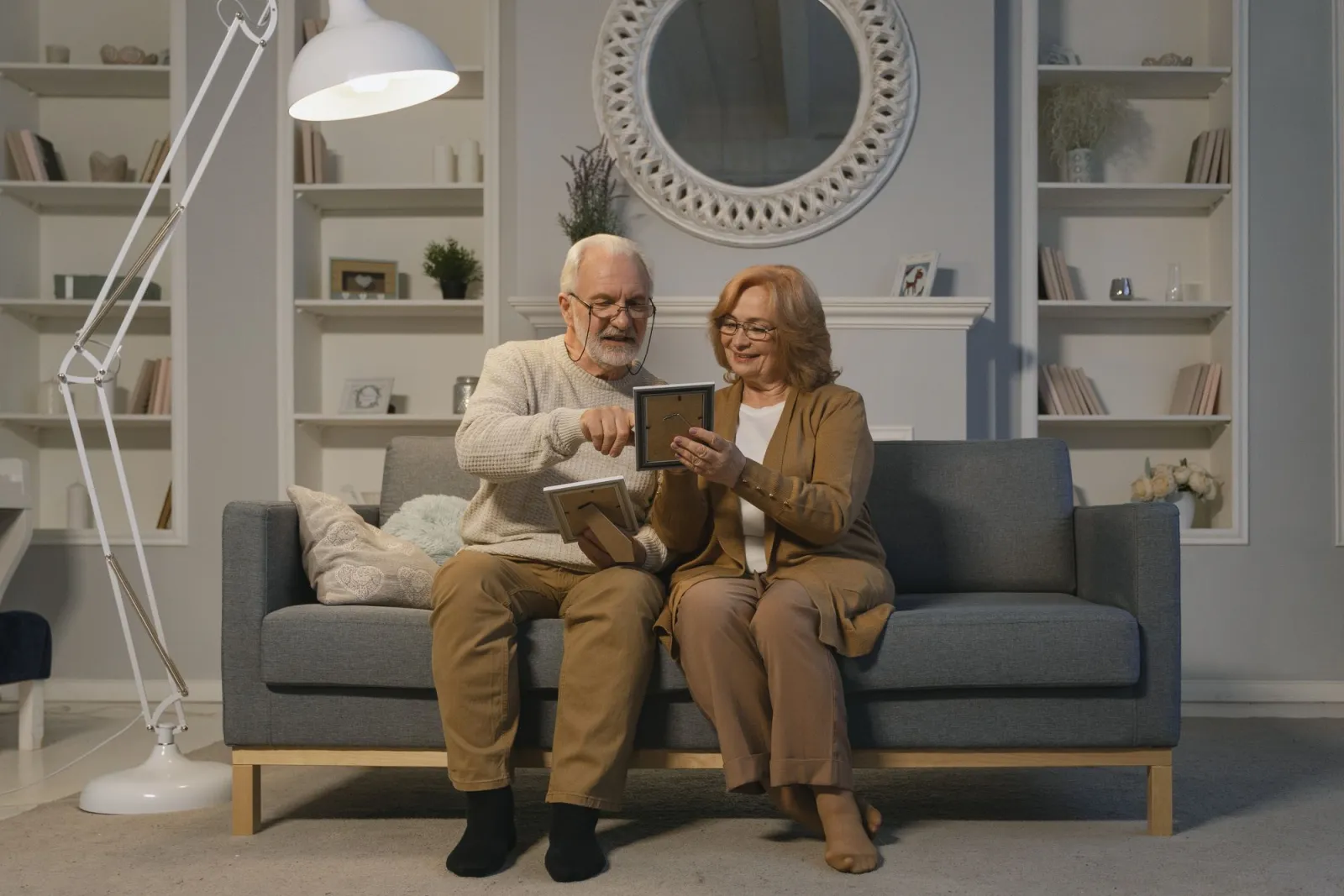
A family story becomes a movie when someone who was there can still recognize the afternoon. The cake, the kitchen, the joke that only works if you were at the table. A pretty clip of "a happy family" misses that. This guide is for a birthday, an anniversary, or a short memoir you already have in words.
The general order of work, for any AI movie, is how to make an AI movie. Stay here if the material is personal. Paste the story you wrote. TikFilmer, an AI film maker, can run a first cut with Autopilot, and you can repair the beats in Cards or Canvas. The product page for that path is story to movie.
Why a family story works as a short film
Family stories already have a turn. Someone arrives, someone says the thing they have avoided, someone leaves the room. That turn is the movie. A montage of smiles is a greeting card. A short film needs the moment the room changes.
Keep the first one small enough to finish. One room. Two or three people. One object that matters, such as a letter, a recipe card, or a cake. Four or five beats are enough for a birthday film. A memoir can be longer later. The first cut should be the scene a relative would retell, not the whole life.
Write what a camera can see. "She was proud" becomes the way she sets the cake down and does not look up. If a line only works as a feeling, it will not survive the clip.
Gather the story before you generate anything
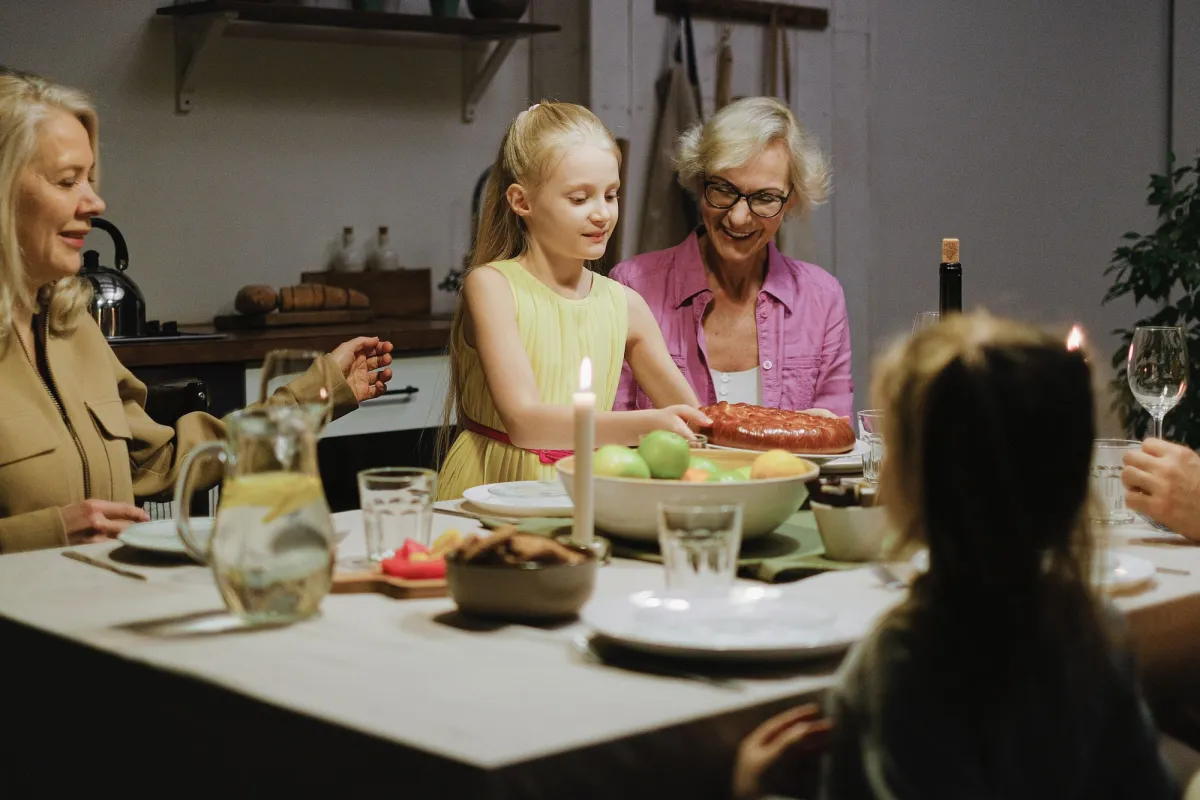
Start with a conversation, not a model. Ask the person whose day it is one question: what happened, in order? Write their answer down. Keep their verbs. A page is plenty. Include the beat that should stay quiet, such as the pause before the candles.
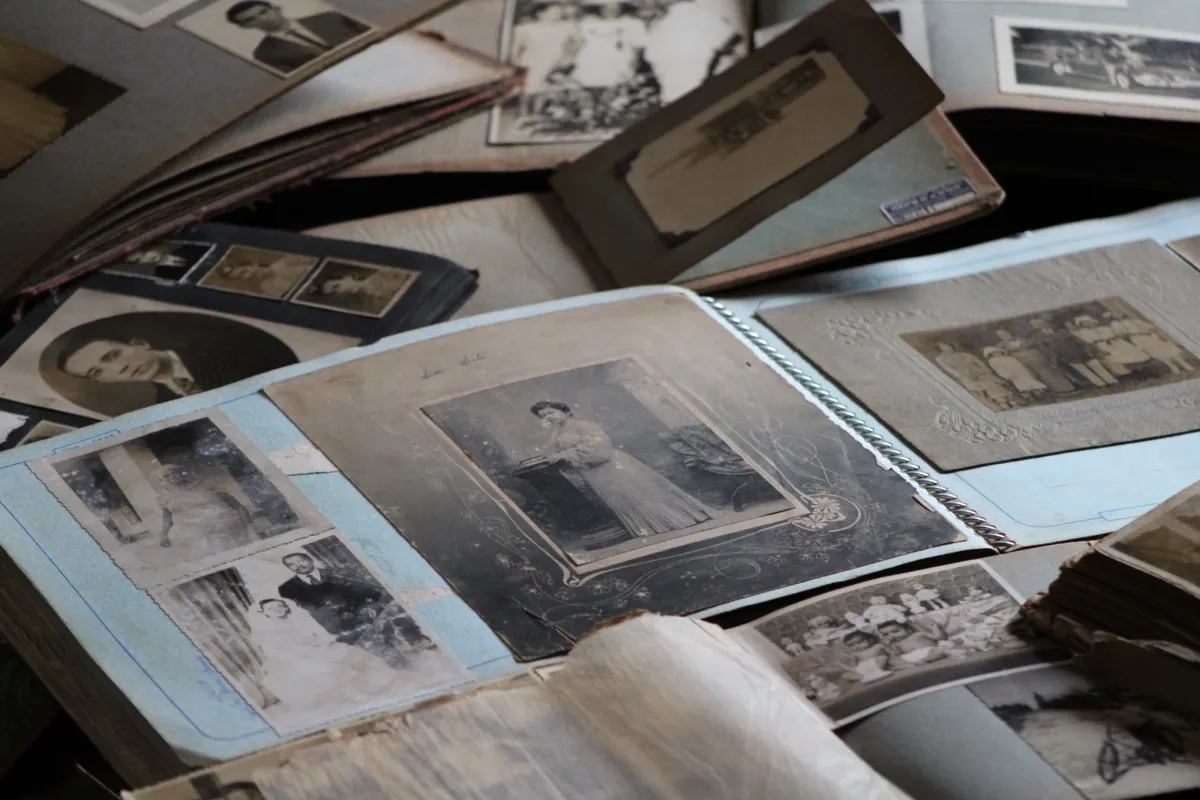
Old photos help as references you have the right to use. A picture of the kitchen, the coat, or the person, if they have agreed, gives the later clips something to reuse. Photos of people who have not agreed do not belong in a film you will share. A private cut for the family is still a film of a real face. Ask.
Then paste that page into TikFilmer. A screenplay, an outline, or a few paragraphs are all accepted, and pasted text is used as written. If you only have the premise, one sentence with the people and the problem is enough to draft from, and you should still edit the draft until it matches the afternoon you meant.
A diary works the same way. Copy the entry that contains the turn, cut the sentences a camera cannot see, and paste what remains. There is no separate diary importer. The text you paste is the script.
Plan the beats before the first clip
A family film fails in a specific way: every beat is the same length and the same mood, so the surprise lands like the small talk. Split the page where the story turns. For a birthday, that might be the arrival, the joke, the candles, and the look after the song. Those are different kinds of time.
The planning guide for that split, including a storyboard and an animatic before the expensive pass, is plan your AI video before you generate. Read it before you spend the free credits on coverage.
Autopilot for a first cut, Cards or Canvas to fix a beat
Use Autopilot when the page is already true and you want a full pass. Fully automatic sits next to the homepage composer and is labeled Autopilot. TikFilmer shows a credit range and a time range before that pass spends anything. After you confirm, it can run the story, the assets, the shot plan, the video and a rough cut. Keep the page open while it runs. It pauses if a budget gate trips or a repair needs you. It does not promise the first pass is the film you will keep.
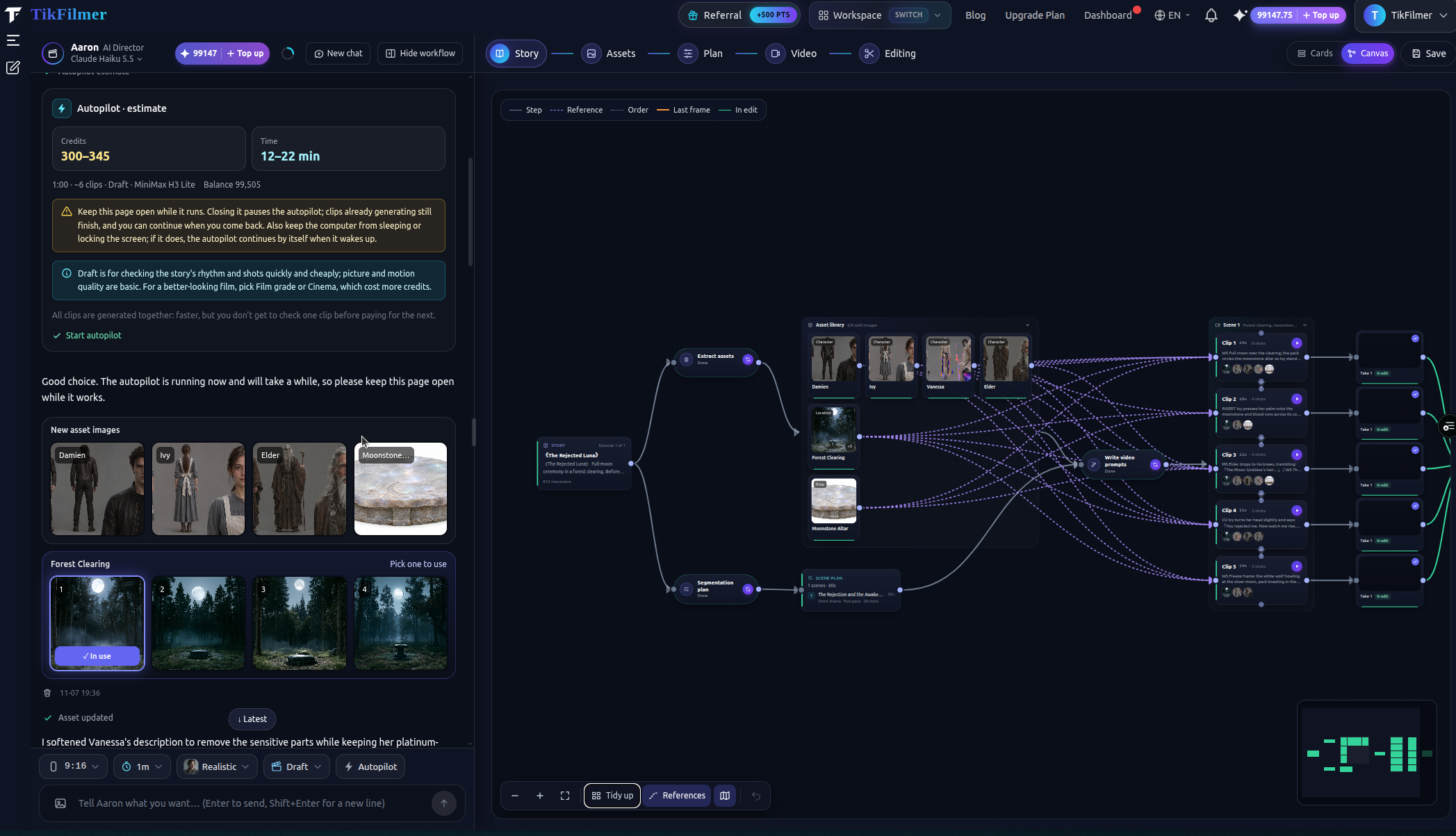
Stay step by step when you want to approve the people, or one beat, before the next credit. Cards are that step-by-step editor. Canvas is a node view of the same project, so you can see which beat still depends on which reference. Double-click a node to edit it as a card. Nothing is copied into a second project.
When to pick each one is written up in Autopilot and Canvas in an AI film maker workflow. If the first cut is flat, change the quiet beat and render that segment again. Another full Autopilot pass will repeat the plan you already have.
A birthday or an anniversary uses the same workflow
An AI birthday movie is this workflow with a deadline and a smaller cast. Write the one story the person would want retold, not a list of years. One location. The object that marks the day. The line someone actually said. Paste it. Plan the four beats. Let Autopilot make the first cut if the words are ready, or walk the beats yourself if you are still deciding who is in the room.
An anniversary film is the same shape with a different turn: the proposal, the move, the year that almost ended it. Do not generate a generic couple on a beach and hope the date will personalize it. The date is the story you paste.
There is no separate birthday template and no anniversary button. The occasion is in the script.
Faces and voices can still drift
A family audience notices a changed face faster than any other audience. Give each person, room and prop a reference image, and reuse those images on later segments. That is how a face has a chance of recurring. It is not a lock. A later shot can still drift. If it does, fix the reference or regenerate that segment. Generating more coverage of a wrong face spends the credits on the problem.
Voices are a separate problem. This page does not claim that a voice will match across shots, or that a real relative's voice can be reproduced. If spoken lines matter, plan them as short and check them in the cut. Do not promise the family that the person on screen will sound like the person at the table.
The longer method for continuity across segments is consistency and continuity in AI video.
Upscale, a light edit, and 350 free credits
When a beat is the one you meant, the upscaler and the video editor are available as their own tools. Use them on the clips you are keeping. They do not repair a story that skipped the turn, and Autopilot does not run the upscaler for you.
New accounts start with 350 free credits, issued once. Spend them on one short family scene: the page, the references, and a first cut you can watch with the person it is about. A longer memoir will not fit in that start. The point of the free credits is to learn whether the beats are right.
Open story to movie and paste the page, or start from the AI film maker homepage if you want the Autopilot switch in front of you. A cinematic pass, with coverage and a change of pace, is a later read: a cinematic AI film workflow.
FAQ
Can I paste a family story I already wrote?
Yes. Paste a short memoir, a screenplay, an outline, or a few paragraphs. Pasted text is used as written. A diary entry works if you first cut it down to the beats a camera can see.
Is there a separate AI birthday movie template?
No. A birthday or anniversary film uses the same path: a short script of the real day, a few beats, then Autopilot for a first cut or Cards and Canvas if you want to approve each beat.
Will faces and voices stay the same in every shot?
Reference images give a face a chance of recurring. They do not lock it, and this page does not promise a matching voice across shots. If a face drifts, fix the reference or that segment.
Should I use Autopilot on a family film?
Use Autopilot when the words are already true and you want an estimate-first full pass. Stay in Cards or Canvas when you still need to approve who is in the room, or one quiet beat, before the next credit.
How many free credits do I get?
New accounts start with 350 free credits, issued once. Use them on one short scene. The upscaler and the video editor are available after you have a clip you want to keep.
More articles
View all articles →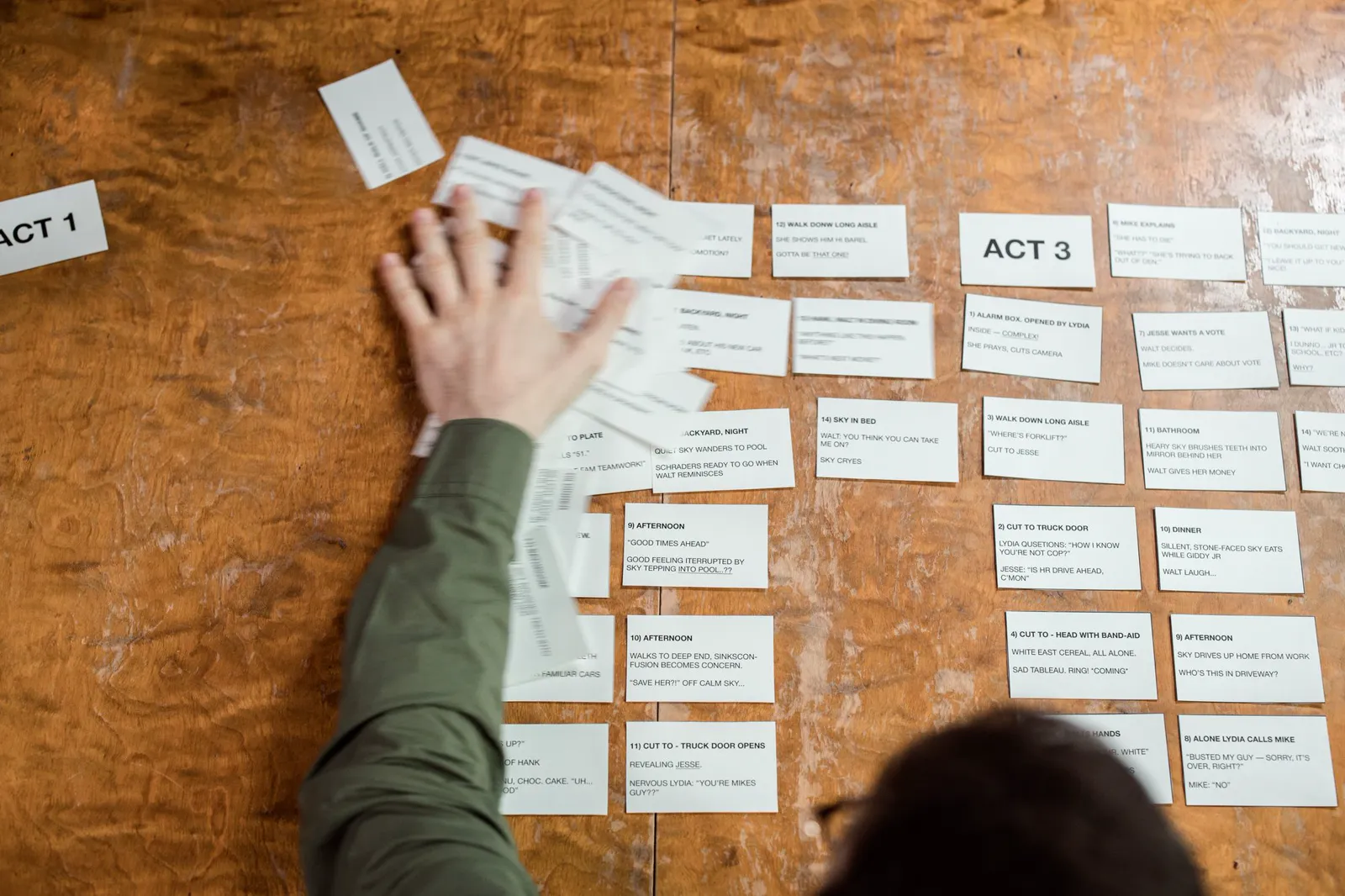
Make a Movie with AI
A first film with AI: start from a story or one sentence, keep the cast from drifting, give neighboring scenes different pacing, then reach a rough cut with Autopilot or Cards and Canvas.
A Cinematic AI Film Workflow
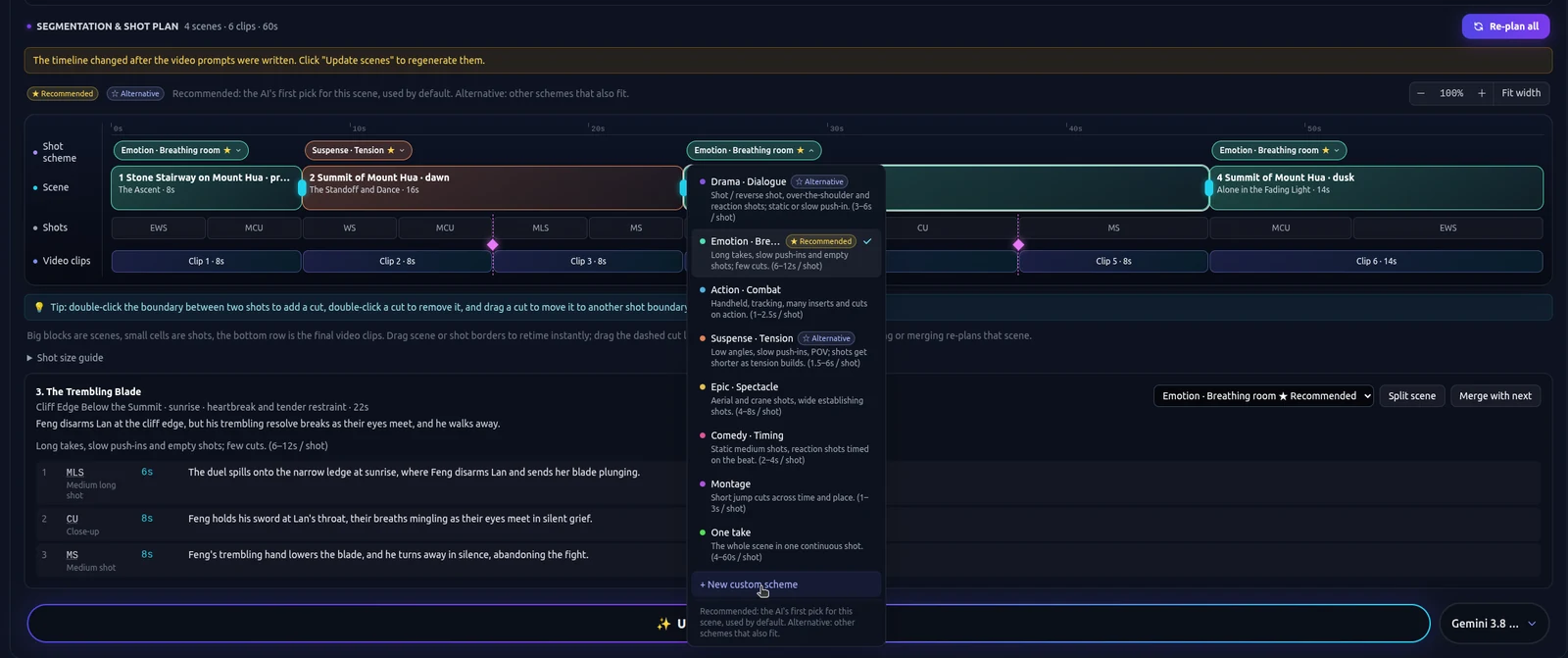
Rhythm for an AI short: story beats, coverage, and a different shot plan for a tense segment than for one that should hold. The beginner how-to is a separate page.
How to Make an AI Movie
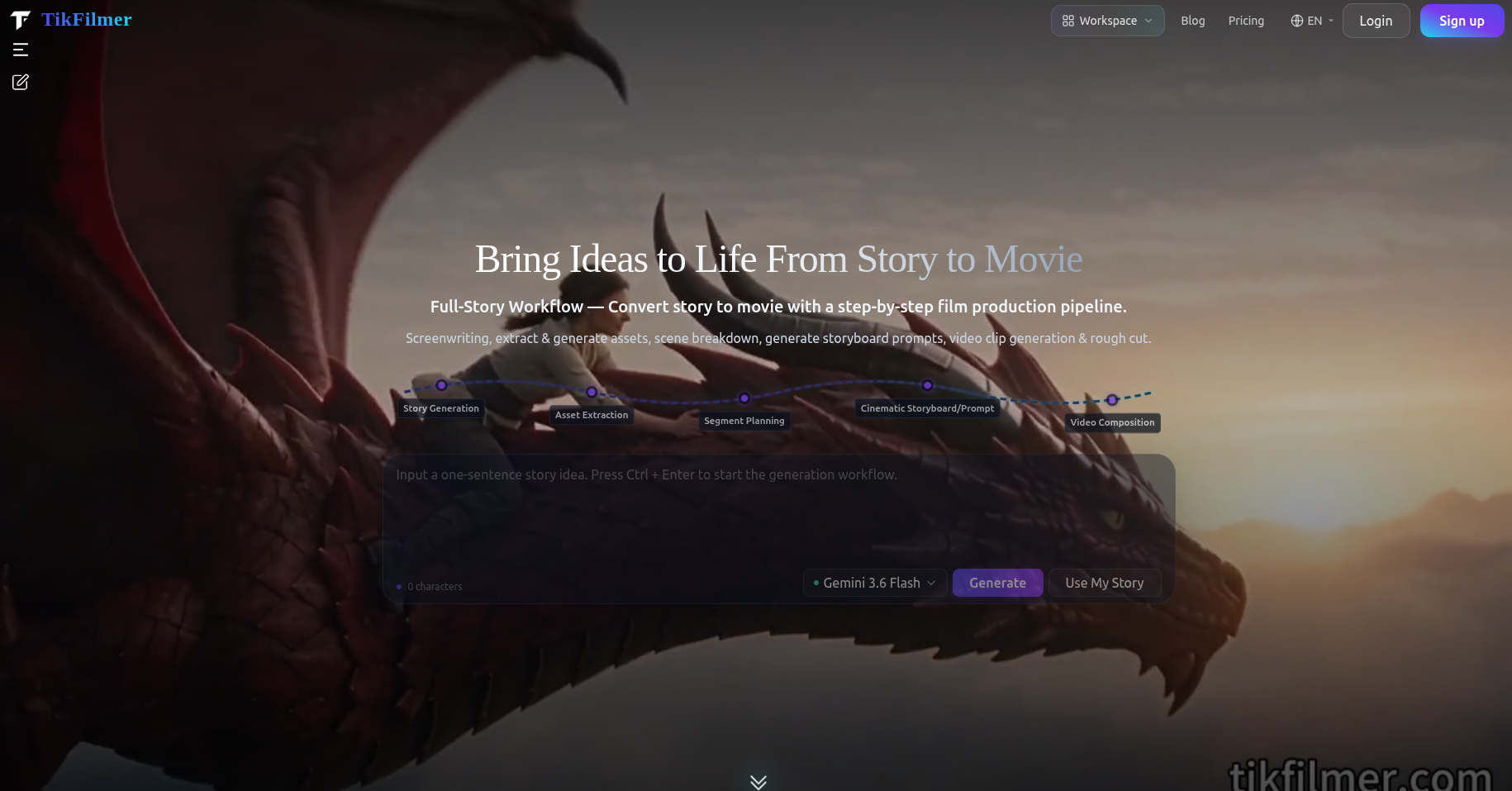
The order of work for an AI movie: a story you paste or draft, assets, a shot plan, clips and a rough cut, plus when Autopilot or Cards and Canvas is the better way through it.
Autopilot and Canvas in an AI Film Maker Workflow
When to let Fully automatic run an estimate-first pass, when to stay step by step, and when Cards or Canvas makes the same project easier to read.